
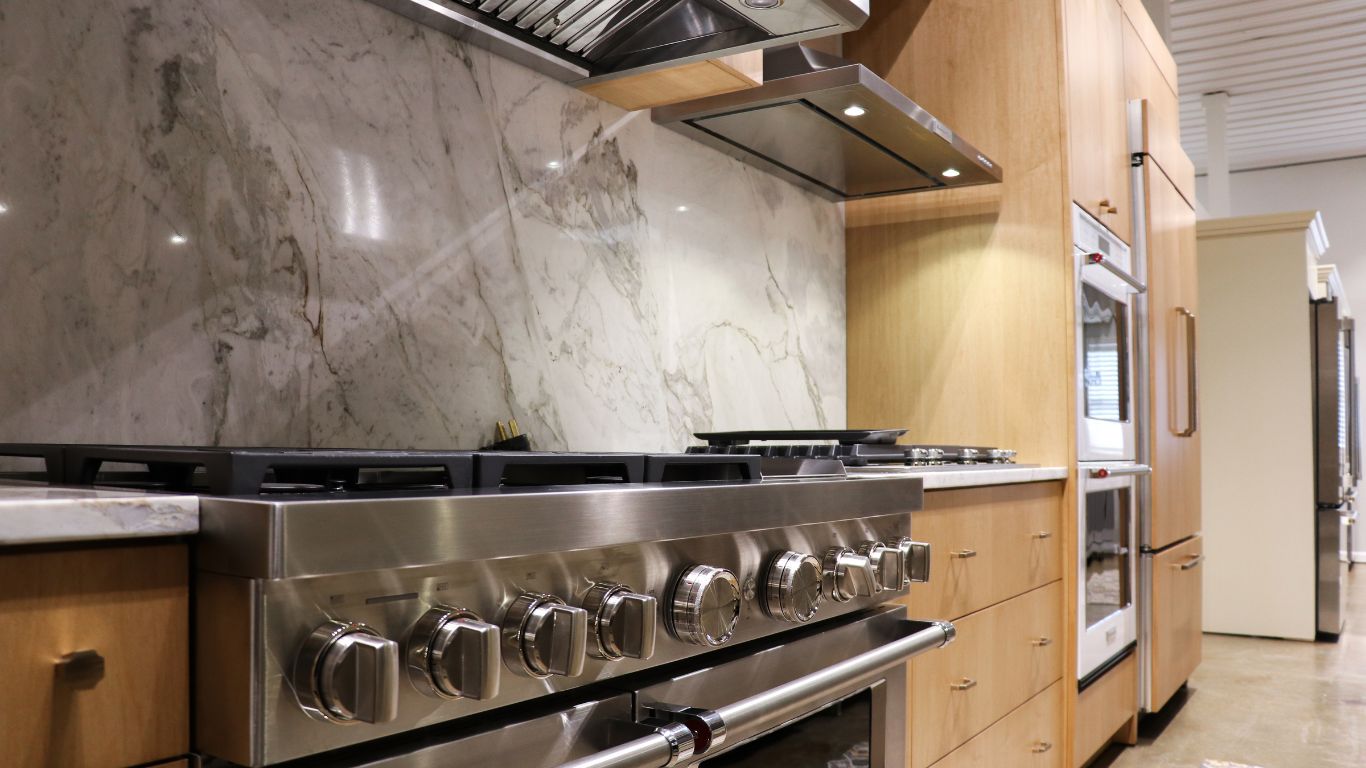
For decades, the undisputed centerpiece of a high-end kitchen was the professional-grade gas range. You know that look: heavy iron grates, robust control knobs, and open blue flames that signal culinary sophistication. For architects, interior designers, and high-end builders, specifying a luxury gas range was a design certainty, appliance shorthand for premium quality in the kitchen.
But today that certainty is changing. The luxury cooktop landscape is undergoing a shift, driven by clients who are design-focused, technologically savvy and environmentally conscious. And their heating platform of choice? Induction cooking.
While the trend toward induction is new, the technology is decidedly not. Induction cooking first appeared in the US at the National Association of Home Builders Convention way back in 1971. The Europeans embraced it first, and now the North American market is catching up. That means for professionals designing, building and renovating kitchens, navigating this choice is no longer just about personal preference; it is about guiding your clients through a complex matrix of performance, aesthetics, health, and future-proof design.
Understanding Induction: The Physics of Cooking Through Electromagnetism
To effectively counsel a client torn between tradition and technology, a designer or architect must first understand how induction works.
Traditional cooking methods rely on thermal conduction. With gas for instance, a flame generates heat which then transfers to a pot or pan, and finally to the food. It is a multi-step process with significant thermal waste. Translation: much of the ignited gas energy is lost to the surrounding air.
Induction has a wholly different take on cooking through electromagnetism. Beneath the sleek ceramic glass surface sits a series of high-frequency copper coils. When an alternating current flows through these, it creates a magnetic field. When a cooking vessel made of ferromagnetic metal (think cast iron or magnetic stainless steel) is placed on top, the magnetic field penetrates the metal. This induces an electrical current within the pan itself, causing its molecules to vibrate rapidly and generate friction.
Induction does not heat the cooktop; it forces the cookware to become the heat source. The glass surface only warms up from the residual heat reflecting from the pan. It is a remarkably efficient, incredibly precise method of energy transfer that fundamentally changes how a kitchen functions.
Head-to-Head: The Professional Specification Guide
Choosing between these two mediums requires a granular understanding of how they perform across everyday parameters. The table below serves as a starting point for client consultations and considerations:
Parameter |
Gas |
Induction |
| Speed of Cooking / Boiling | Moderate. Heating air and grates before transferring heat to the pan inherently limits maximum boiling speeds. | Exceptional. By turning the pan into the element, induction can boil a large pot of water in half the time of a high-BTU gas burner. |
| Temperature Control & Responsiveness | Visual and tactile, but slower. Instant flame adjustment is intuitive, but iron grates can retain heat, delaying thermal drops. | Instantaneous. Dropping from a rolling boil to a delicate simmer happens instantly, outperforming gas at low-temperature tempering. |
| Effort for Upkeep & Maintenance | High. Requires dismantling heavy cast-iron grates, scrubbing burner caps, and cleaning spills out of deep catch wells. | Low. A completely flat, seamless ceramic glass surface that can be wiped clean immediately with a microfiber cloth. |
| Safety for Users (Burn Risk) |
High. Open flames, hot grates that retain heat for long periods, and the risk of ambient gas leaks or accidental knob turns. | Minimal. No open flame. The surface only gets warm from contact with the pan, significantly reducing accidental burn risks. |
| Cookware Compatibility | Universal. Works with all shapes, sizes, and materials, including copper, aluminum, ceramic, and rounded-bottom woks. | Restricted. Requires ferromagnetic bottoms (cast iron, enameled iron, magnetic stainless steel). Aluminum and copper, which are not magnetic, will not work. |
| Human Health & Indoor Emissions | Requires heavy ventilation. Produces particulate matter, nitrogen dioxide and carbon monoxide indoors. | Clean. Produces zero indoor combustion emissions or air pollutants, aligning with modern green building standards. |
| Perceived Value in Luxury Design | Timeless, industrial aesthetic. Conveys a traditional, serious chef’s kitchen that appeals to classic home buyers. | Modern, minimalist luxury. Clean lines allow for flush-mount integrations, expanding counter space and open-concept designs. |
The Total Cost of Ownership: Upfront Capital vs. Long-Term Value
When evaluating gas versus induction for luxury builds, trade professionals must look past the sticker price of the appliance and consider the total cost of ownership.
Upfront Costs
In the luxury segment including brands such as Sub-Zero, Wolf, Thermador, Monogram, JennAir, La Cornue, and Gaggenau), the equipment costs between high-end gas cooktops and premium induction units have largely reached parity. However, the installation infrastructure varies wildly:
- Gas Requirements: Specifying a high-output gas range requires dedicated gas lines. If a renovation project lacks an existing line, trenching or running new pipe adds significant labor costs. Furthermore, high-BTU gas burners mandate heavy-duty, high-CFM ventilation hoods, which often require complex ductwork and costly make-up air systems to comply with modern building codes.
- Induction Requirements: Induction requires no gas lines or major air-exchange systems, but it does demand serious electrical infrastructure, typically a dedicated 40- to 50-amp, 240-volt circuit. In older homes, this may require a full electrical panel upgrade, an essential consideration for remodelers during the budgeting phase.
Ongoing Operational Costs of Induction Cooking
Induction is incredibly energy-efficient, utilizing roughly 85% to 90% of its energy directly for cooking, compared to just 40% to 50% for gas. While utility rates vary by region (electricity vs. natural gas pricing), the true operational savings of induction are often found in the home’s climate control. Because gas wastes half its heat into the room, it forces the home’s HVAC system to work harder cooling the kitchen during meal preparation. Induction keeps the kitchen cool, reducing secondary energy expenditures.
Comparing Cooktops: The Performance Athlete vs. The Aesthetic Minimalist
Gas remains highly favored by culinary traditionalists who love the theater of cooking including the ability to char peppers directly over an open flame, tilt a pan away from the heat source without turning the burner off, and use traditional rounded woks.
Induction appeals to the modernist. Because premium induction cooktops sit flush or near-flush with the countertop, they offer unparalleled design freedom. In open-concept kitchens, small footprints, or multi-functional islands, an induction top seamlessly blends into the stone or quartz when not in use, essentially converting the cooking area into extended workspace for entertaining.
Health, Wellness, and the Passive Home Trend Favors Induction
For architects designing to LEED or other healthy-living standards, induction is becoming mandatory. Modern, tightly sealed, energy-efficient homes require immaculate indoor air quality management. Gas cooking releases combustion byproducts like nitrogen dioxide into the living space, which can quickly degrade indoor air metrics without aggressive ventilation. Induction eliminates indoor emissions entirely, supporting the growing wellness-focused “healthy home” movement.
Bringing it all Together: Partnering with ADU for Gas or Induction Appliances
Whether an architect’s vision calls for the classic, timeless grandeur of a premium gas range or the clean minimalist, sleek design of an induction cooktop, execution ultimately relies on the strength of the supply chain. That’s where an experienced, trusted partner like ADU, the Mid-Atlantic appliance experts since 1982, can provide real value.
By working with a luxury wholesale distributor like ADU, trade professionals can confidently offer their clients the absolute best of both worlds, turning the cooktop selection process into an elevated, seamless design experience that protects both the aesthetic of the home and the profitability of the project.

