
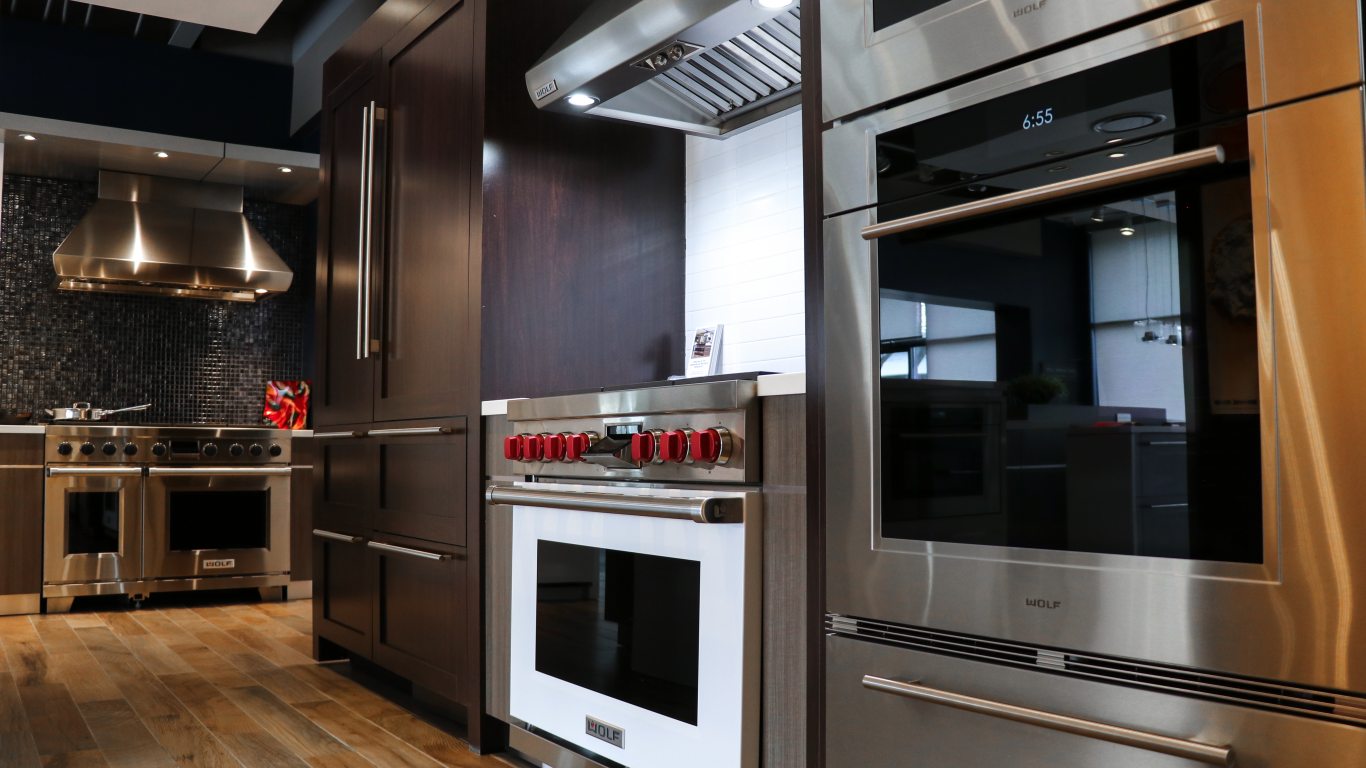
As multifamily developers and builders across the Mid-Atlantic push to differentiate their communities, the focus is shifting from standard kitchen packages to flexible, future-ready appliances. ADU, a premier Mid-Atlantic wholesale home appliances distributor, works daily with builders, remodelers, and design teams who want to make smarter, longer-lasting decisions about the products that define resident experience.
The challenge is clear: technology is moving faster than construction timelines. Resident expectations are rising. Codes are shifting. And appliances at the heart of most living spaces now sit at the intersection of energy efficiency, connectivity, sustainability, and adaptability.
Future-proofing these durable goods isn’t optional anymore. It’s a strategic advantage.
Let’s dive into a few different flexible appliance strategies that can help multifamily projects stay competitive, reduce lifecycle costs, and deliver better value for owners, operators, and residents.
Why Future-Proofing Matters Now
Future-proofing has become critical for multifamily developments because the pace of change is accelerating on multiple fronts:
- Technology cycles shorten every year. Smart appliances, IoT sensors, and digital platforms quickly become outdated.
- Energy codes and regulations evolve. States and municipalities are pushing for electrification, efficiency improvements, and structural readiness.
- Building materials and appliances now interact. Venting, load balancing, WiFi coverage, and power distribution increasingly determine what appliance packages can be installed.
- Tenant expectations shift. Residents expect modern, connected amenities—and often choose buildings based on the perceived longevity of their tech offerings.
For builders and developers, future-proofing appliances means designing spaces and specifying products that won’t need disruptive upgrades in only a few years. For example, for the refrigerator spaces, builders can plan for 36” width x 70–72” height x 30–36” depth. Likewise, range/cooktop zones can default to 30” wide openings. It’s cost-effective, resident-friendly, and ultimately better for ROI and long-term asset value.
Rising Resident Expectations for Smart, Connected Homes
Today’s renters—especially millennials and Gen Z—view connected devices as essential utilities, not luxuries. Appliances play a major role in that ecosystem.
Residents expect:
- Smart cooking appliances with app control
- Remote-monitored laundry systems
- WiFi–enabled refrigerators, dishwashers, and AC units
- Voice-assistant and smart-home integration
- Seamless, vendor-agnostic connectivity
Appliance brands continue accelerating this trend, expanding features such as diagnostics, energy monitoring, and remote access. For builders working with a wholesale appliance distributor like ADU, choosing appliances that plug into common digital ecosystems helps ensure future compatibility with new tech or evolving resident expectations.
Long Project Timelines vs. Rapidly Changing Tech and Codes
Construction cycles in multifamily—especially mid-rise and high-rise—often span:
- 2–4 years for planning
- 18–36 months for construction
- Phased delivery across multiple seasons and code updates
During that time, appliance models, refrigerants, efficiency requirements, and even interface standards may change.
Smart builders solve this mismatch by:
- Specifying appliances with modular components
- Choosing brands with long-term platform stability
- Ensuring units can accept new electrical requirements
- Building risers, panels, and layouts to support evolving tech
Partnering with a knowledgeable appliance outlet provides early insight into which products are stable, scalable, and supply-chain reliable through a project’s full build cycle.
Total Cost of Ownership: Upfront Flexibility Reduces Retrofit Costs Later
Builders often evaluate appliances based on upfront cost, but long-term value comes from adaptability.
Flexible appliance solutions reduce:
- Retrofit expenses associated with rewiring, re-venting, or demolishing cabinetry
- Labor costs from multiple appliance swaps over a unit’s life cycle
- Downtime for residents when outdated appliances fail
- Emergency replacements that don’t fit the original unit configuration
By integrating standards and adaptability from the start, developers can avoid the domino effect where one outdated appliance forces multiple infrastructure changes.
What “Flexible Appliance Solutions” Look Like
Future-ready appliance solutions go beyond model selection. They include strategic design, technical compatibility, and building-level system planning.
Flexible solutions commonly include:
- Modular appliance platforms
- Mixed-fuel support
- Universal clearances and dimensions
- Smart-home integration
- Infrastructure that allows easy swapping or upgrading
ADU’s appliances for trade professionals focus on these exact needs, helping builders choose kitchen and laundry options that will remain viable through multiple tech and regulatory cycles.
Modular Appliances with Swappable Components or Upgrade Paths
Modularity is becoming a critical feature in modern appliances.
Advantages include:
- Swappable control boards for updated smart-home standards
- Motors and compressors that match new refrigerant requirements
- Replaceable user-interface modules to refresh the look or improve usability
- Upgradeable firmware that extends lifespan and compatibility
Brands across the industry—from mid-market to luxury lines such as Gaggenau, Bosch, and Thermador—are increasingly moving toward modularity to reduce obsolescence and waste. Builders who select these models stay ahead of regulatory changes without major retrofits.
Appliances That Support Multiple Energy Sources or Efficient Modes
Flex-fuel capability ensures a unit remains compliant and marketable despite shifting energy policies.
Builders benefit from:
- Electric/gas hybrid cooking options
- Induction-ready kitchens
- Heat-pump or traditional-vented laundry choices
- Transition-friendly mechanical layouts that allow future upgrades
As the Mid-Atlantic explores electrification incentives, flexible appliances allow developers to pivot more easily if new codes emerge or resident preferences evolve.
Standardized Dimensions and Electrical/Ventilation Interfaces
Appliances with standardized footprints minimize replacement challenges.
Key features include:
- 24″, 30″, and 36″ width standards across product types
- Universal venting or ductless options
- 110/240V flexible power requirements
- Adjustable depth cabinetry
- Rear or bottom vent compatibility
Using these standards makes it easier for owners to switch brands, models, or energy systems in the future without altering millwork or walls. ADU’s expert consultants regularly advise on dimensional consistency to help future-proof large multifamily portfolios.
Smart Home Integration: Compatibility with Common Platforms
Smart home standards evolve rapidly. Selecting appliances that align with broad, widely adopted ecosystems ensures longevity.
Builders should prioritize:
- Matter-ready (e.g. smart home devices that can work seamlessly with any major smart home ecosystem such as Google Home, Amazon Alexa, Apple Home, etc.) appliances for universal device language
- Z-Wave and Zigbee (e.g. wireless standards used in smart homes)compatibility for robust mesh networks
- WiFi connectivity with remote management
- Diagnostic and predictive maintenance capabilities
- Integration with building-level automation systems
Smart-ready appliances also support resident personalization, which increasingly influences leasing decisions.
How These Solutions Future-Proof Multifamily Projects
Flexible appliances create future-proof buildings by allowing developers to adapt to:
- Changing technology
- Energy-efficiency requirements
- Shifting resident expectations
- Market competition
- Operational cost pressures
Below is a breakdown of how future-proofing works at each project stage.
Design Stage: Include Flexible Utility Risers, Plug-and-Play Circuits, and Removable Partitions
Smart builders incorporate flexibility early through strategies such as:
- Universal electrical panels that support future appliance loads
- Plug-and-play circuits for easy swapping of induction, gas, or electric cooktops
- Standardized utility risers that anticipate HVAC and refrigeration changes
- Removable partitions or modular walls for reconfigurable kitchens
- WiFi–friendly layouts that support IoT-heavy environments
When paired with guidance from an experienced appliance store and appliance showrooms, these design choices prevent major retrofit headaches later.
Construction Stage: Use Vendor-Agnostic Specifications, Modular Mechanical Rooms, and Scalable Data Infrastructure
During construction, future-proofing becomes practical implementation:
- Vendor-agnostic specs allow builders to switch appliance models if availability shifts
- Modular mechanical rooms support advanced heat-pump dryers, EVR systems, or smart water heaters
- Scalable building data infrastructure ensures appliances stay connected
- Oversized conduits and junction boxes support future smart device clusters
- Universal venting chases fit diverse appliance platforms
ADU’s role as a wholesale appliance distributor gives project teams insight into emerging trends, helping construction managers make informed decisions onsite.
Operating Stage: Remote Management, Predictive Maintenance, and Dynamic Energy Optimization
Future-ready appliances significantly improve operations and asset management.
Capabilities include:
- Remote monitoring of appliances across units
- Automated alerts for maintenance or component failures
- Predictive maintenance that extends equipment life
- Energy-optimization modes that reduce building-wide consumption
- Centralized dashboards for building engineers
For owners and operators, this translates into lower operating expenses and improved uptime—particularly valuable in large portfolios.
Leasing & Resale Impact: Adaptable Units Attract More Residents and Drive Long-Term Value
Flexible, future-ready appliances enhance the marketability of multifamily units.
Benefits include:
- Appeal to tech-forward residents
- Higher perceived unit value
- Easier upgrading between tenants
- Reduced capital expenditure for owners
- Stronger long-term competitiveness in saturated markets
Buildings marketed as adaptable and upgrade-ready stand out—especially in the Mid-Atlantic, where renters increasingly prioritize smart-home features and sustainable technology.
Conclusion
Future-proofing multifamily projects through flexible appliance options isn’t just a design trend—it’s an investment in long-term building performance, operational efficiency, and resident satisfaction. As a trusted Mid-Atlantic appliance outlet and distributor, ADU helps builders, remodelers, and developers navigate evolving technology and regulatory demands with confidence.
From modular appliances and smart-home integrations to flex-fuel options and standardized dimensions, ADU provides the expertise, selection, and product stability that today’s multifamily projects require.
If you’re planning a new development, exploring a renovation, or rethinking your appliance strategy across multiple properties, ADU’s appliances for trade professionals, commercial appliances, and state-of-the-art appliance showrooms offer the tools, guidance, and product depth to keep your projects future-ready.

